Most of us have been taught one way to deal with what we feel. We think through it, talk about it, push forward, and keep going. For a while, that works. Until it does not and it starts showing up in the way we feel about ourselves and the world around us.
It shows up as the tension in our shoulders that never fully leaves, the kind of tiredness that sleep does not fix, the short temper that appears without warning, and the quiet sense that something is not quite right even when everything looks fine on the outside, to name a few.
This is not weakness. It is simply biology.
What Happens in the Body
Whenever we experience stress, whether from a demanding meeting, a difficult conversation, an overwhelming day, or the steady pressure of modern life, the nervous system responds. Hormones rise. Muscles tighten. Breath becomes shallow. The body prepares itself to cope.
In an ideal world, this response would pass and the body would return to balance. But many of us move straight past the signal. We override it, stay productive, and carry on.
What is not expressed does not disappear. The body quietly holds it.
Over time this begins to shape how we live. It influences how we make decisions, how we communicate, how we lead, how we relate to the people around us, and how comfortable we feel in our own skin.
Where Movementerra Comes In
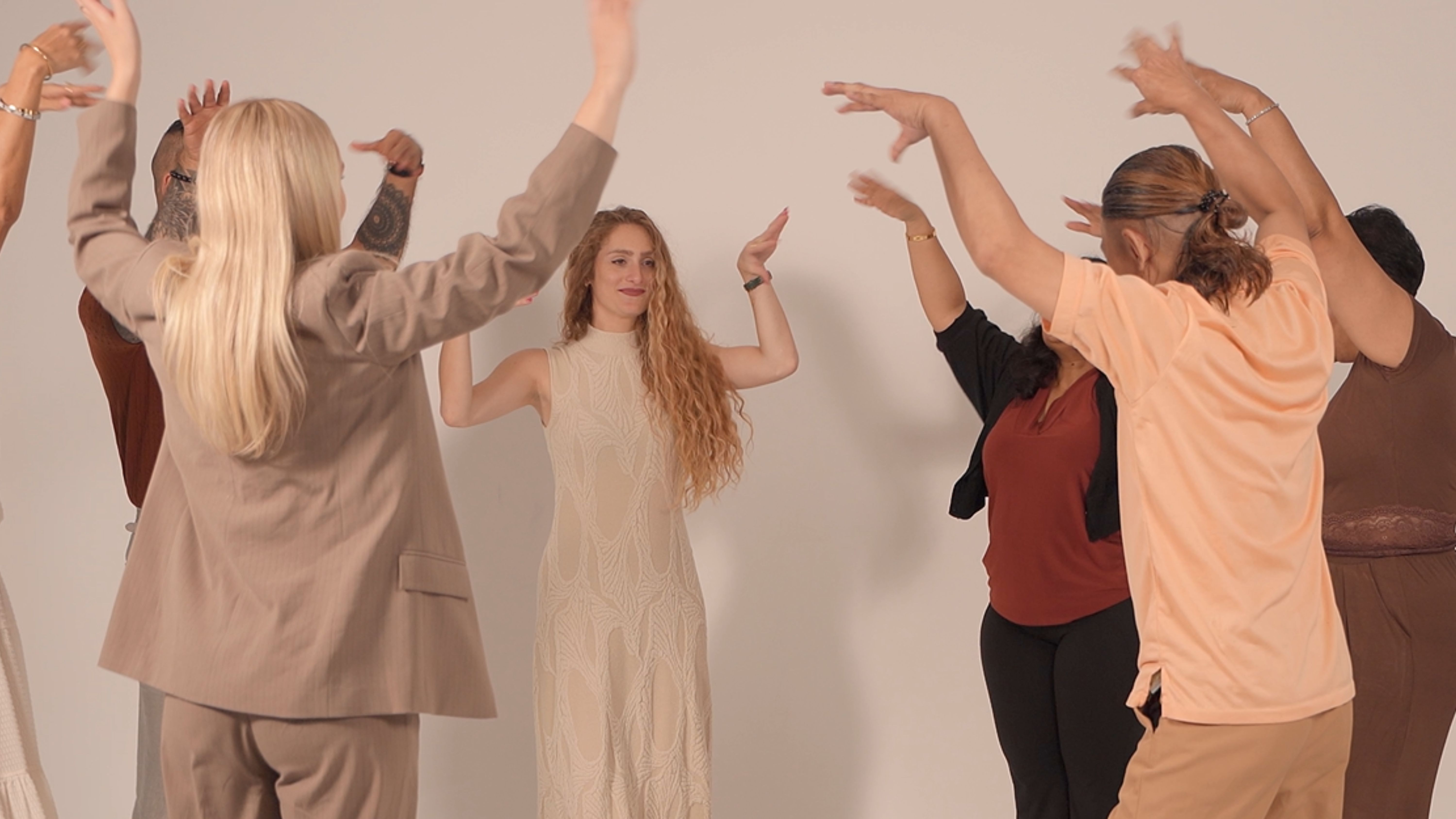
Creative Movement provides the foundation for this work. Movement allows the body to express and release what words often cannot reach. Movementerra builds on that foundation.
Drawing on my background in psychology, learning design, and leadership development, the work integrates movement with behavioral insight and structured reflection. Movement becomes more than expression. It becomes a way to interrupt patterns, deepen awareness, and support shifts that people can carry into their everyday lives.
When the body moves with intention, the nervous system begins to settle. Tension softens. Emotions that have been held find space to move. Something that has been waiting for attention finally receives it.
People often notice the shift sooner than they expect. And the shift is not imagined. It is felt.